The Rise of Sustainable Investing: ESG Finance in 2025
Introduction: A New Era in Finance
As global awareness of environmental and social issues intensifies, the financial world in 2025 has seen a remarkable shift toward sustainability. Sustainable investing, particularly through Environmental, Social, and Governance (ESG) frameworks, has moved from the margins to the mainstream. Investors are increasingly considering not just profits, but also planetary and societal impact. ESG finance is no longer a niche—it’s reshaping how capital is allocated across the globe.
What is ESG Finance?
ESG finance refers to investment strategies that incorporate environmental, social, and governance factors into financial analysis and decision-making. These factors include:
- Environmental: Climate change, carbon emissions, resource usage, and pollution.
- Social: Labor practices, diversity and inclusion, human rights, and community relations.
- Governance: Corporate leadership, executive pay, shareholder rights, and transparency.
By focusing on these areas, ESG investing aims to identify companies that are not only financially sound but also ethical, resilient, and future-focused.
Growth Trends in 2025
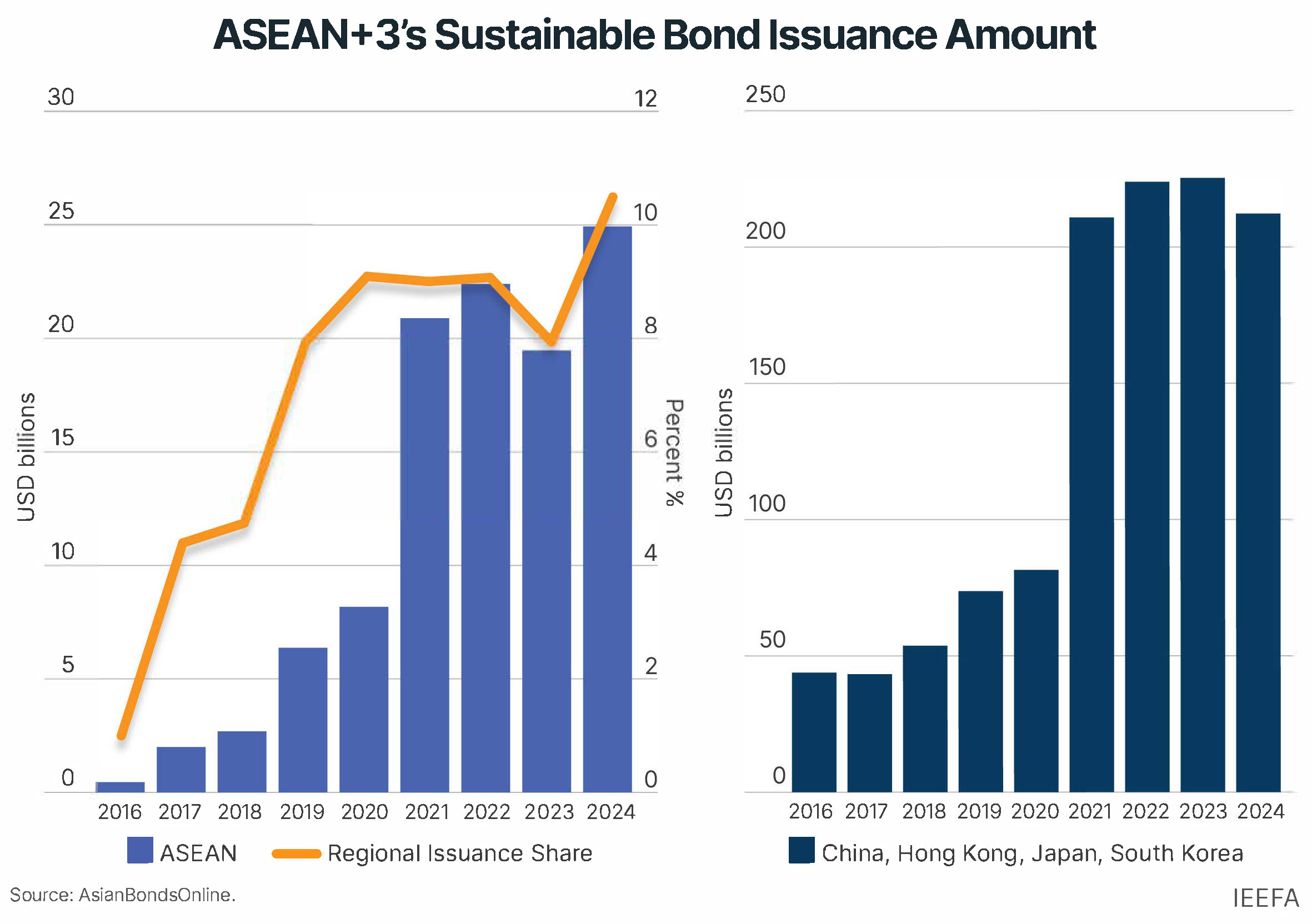
In 2025, ESG assets under management (AUM) have surpassed $60 trillion globally, representing a significant portion of all professionally managed assets. This growth is driven by:
- Investor Demand: Millennials and Gen Z investors prioritize sustainability and ethical practices.
- Regulatory Push: Governments and regulatory bodies have introduced stringent ESG disclosure norms and green finance policies.
- Corporate Accountability: More companies are voluntarily reporting ESG metrics, aligning themselves with international frameworks such as the Task Force on Climate-related Financial Disclosures (TCFD) and Sustainable Development Goals (SDGs).
ESG Performance: Profit with Purpose
One of the most notable changes in 2025 is the dispelling of the myth that ESG investing sacrifices returns. Numerous studies and market data show that ESG-aligned portfolios are often more resilient during economic downturns and deliver comparable, if not better, long-term returns.
ESG funds have outperformed traditional funds in several sectors, particularly in clean energy, technology, and sustainable agriculture. Companies with strong ESG practices tend to be better managed, face fewer legal and reputational risks, and adapt more quickly to changing regulations and consumer preferences.
Technological Innovation and ESG
The integration of AI, blockchain, and big data analytics has transformed ESG investing in 2025. Real-time ESG data tracking, automated sustainability scoring, and transparent supply chain monitoring have become standard practices. These technologies provide investors with more accurate, timely, and verifiable ESG insights, enhancing trust and decision-making.
Challenges and Criticism
Despite the momentum, ESG investing faces several challenges:
- Greenwashing: Some companies exaggerate their ESG efforts to attract investors, leading to misleading reporting.
- Standardization Issues: There is still a lack of universal ESG standards, making it difficult to compare companies across sectors and regions.
- Short-termism: Balancing ESG goals with short-term financial pressures remains a complex task for many corporations.
Regulators and industry leaders are actively working on solutions, including ESG rating reforms, stricter disclosure mandates, and penalties for greenwashing.
The Role of Governments and Policy
Governments around the world are taking a more proactive role in ESG finance. In 2025, policies such as carbon pricing, mandatory ESG disclosures, and incentives for green innovation are in place in most major economies. Public-private partnerships are also emerging as powerful tools to fund sustainable infrastructure, clean energy projects, and social impact programs.
The Future Outlook
Looking beyond 2025, ESG investing is poised to become the default mode of investing. With the rise of impact investing, circular economy models, and decarbonization strategies, finance is playing a central role in addressing the world’s most pressing challenges.
As financial systems evolve, the success of a company or fund will increasingly depend not just on its bottom line, but on its broader contribution to people and the planet.
Conclusion
The rise of ESG finance in 2025 marks a pivotal transformation in global investing. It reflects a deeper understanding that long-term prosperity depends on sustainability, transparency, and shared value. As investors, corporations, and policymakers align toward this vision, ESG investing is not just a trend—it’s the foundation of the future of finance.